


The heritage listed 19th century village of Gundaroo is a unique modern community sensitively blended in with a lovingly preserved past.
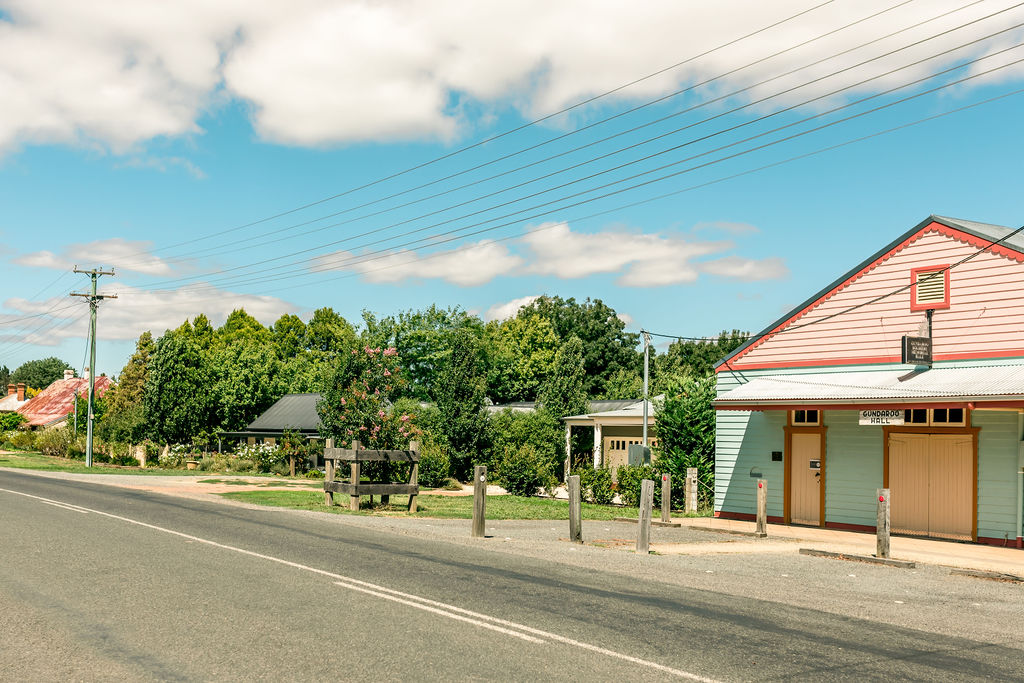
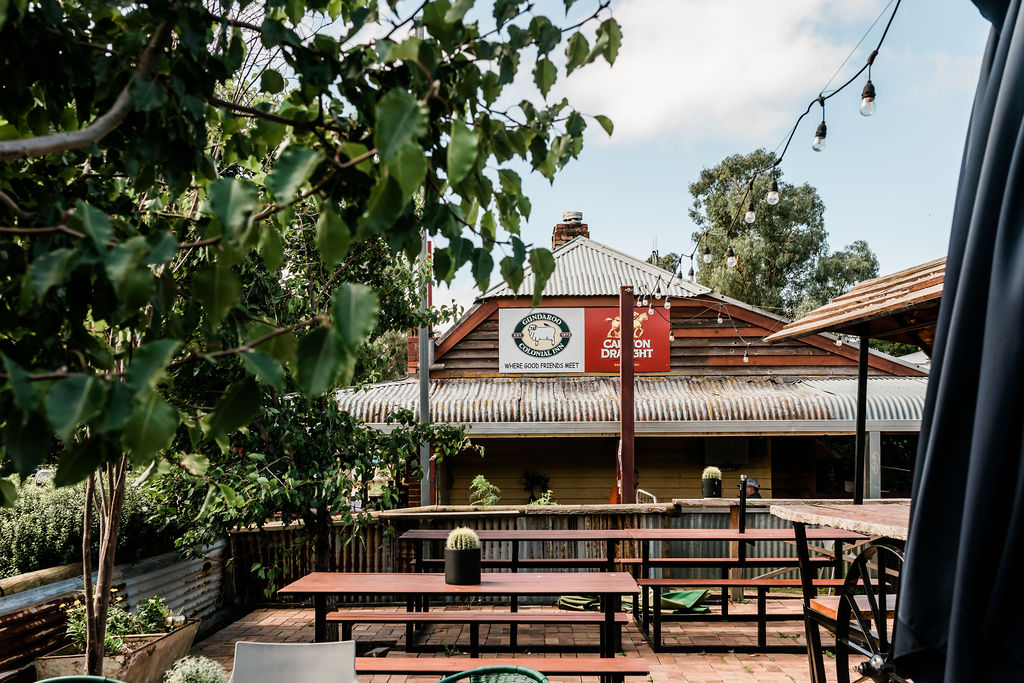
Gundaroo is a place for walking and discovering, where you will find shady verandas on old cottages and the photogenic textures of slab huts, wattle and daub, irregular stone, and locally fired brick.
A community-inspired ‘River Walk’ offer visitors an opportunity to stroll from the western extremity of Rosamel Street, south to the rear of Gundaroo Park. The park itself is a venue for cricket and soccer and the town’s annual music festival.
The past comes alive with many of Gundaroo’s historic buildings still in use. The distinctive corner Royal Hotel hosts Grazing at Gundaroo, one of the region’s most acclaimed restaurants, with The Nest at Gundaroo's many rooms still featuring the character of 1865. Housing five fireplaces to warm diners and a creative modern stone extension and kitchen garden.
What's In Gundaroo?
The Barn at Nguurruu
Self Contained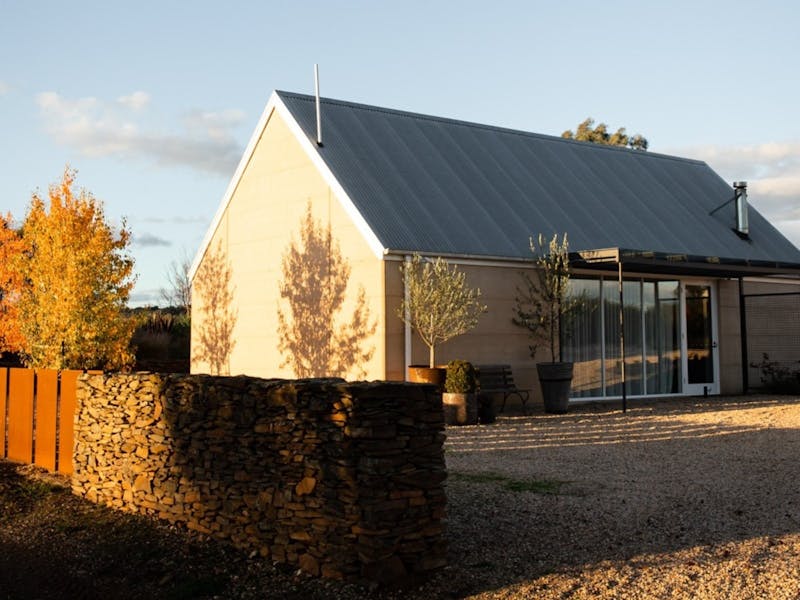
Welcome to Nguurruu. A place they have created to share their biodynamic farm, near Gundaroo…
Read More on The Barn at NguurruuCork Street Cafe
Restaurants & Cafes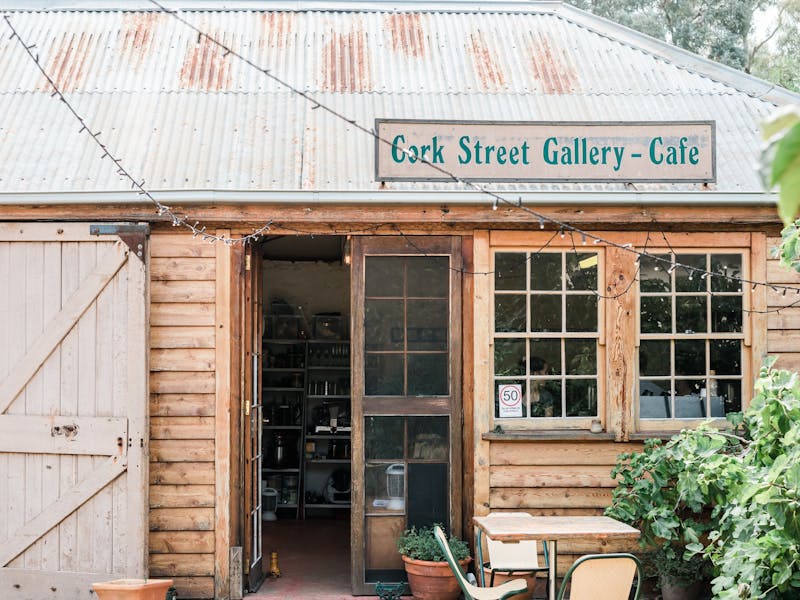
Set in the old Police Stables at Gundaroo, the Cork Street Cafe provides delicious food…
Read More on Cork Street CafeOld Saint Lukes Studio
Weekends: 10.30am-5pm or by appointment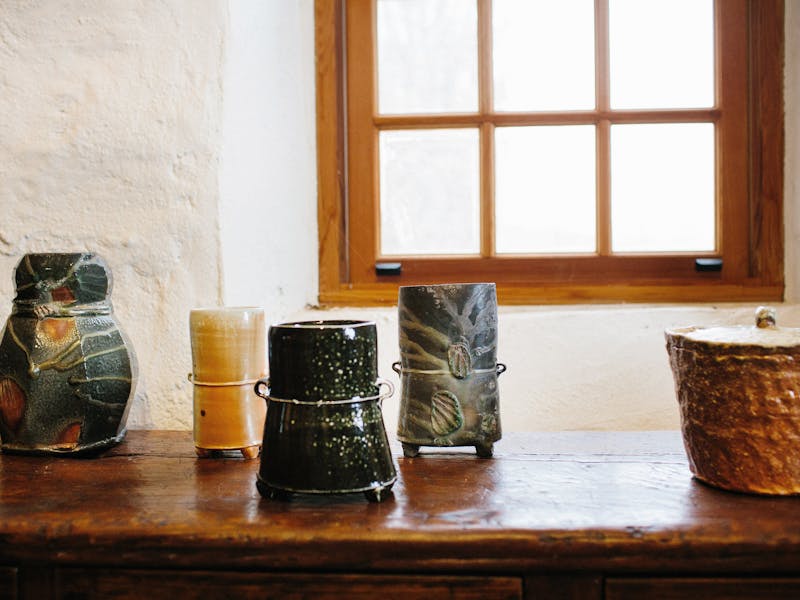
Old Saint Lukes Studio is situated in an historic stone building constructed in 1848 as…
Read More on Old Saint Lukes StudioJoshua’s Fault Wine
Winery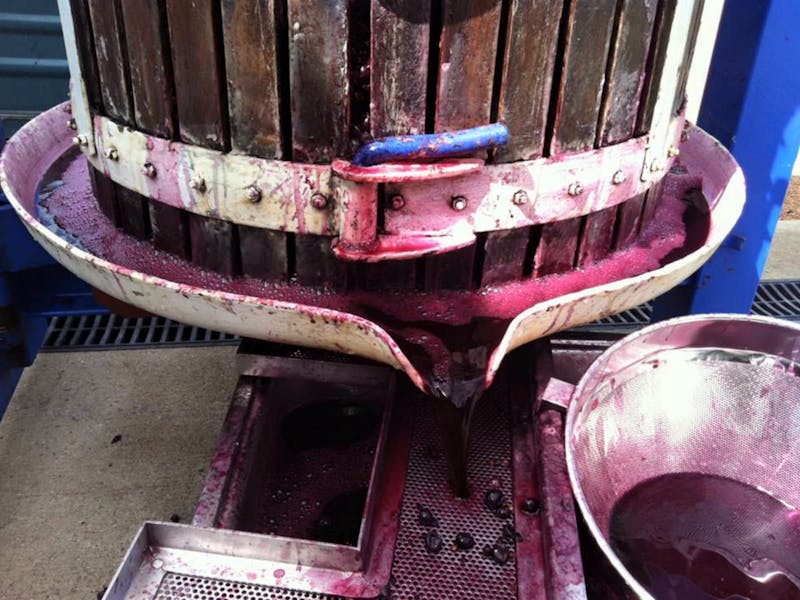
Joshua's Fault wines are created by careful and gentle handling, from the selection and picking…
Read More on Joshua’s Fault Wine